LINGUA MODERNA
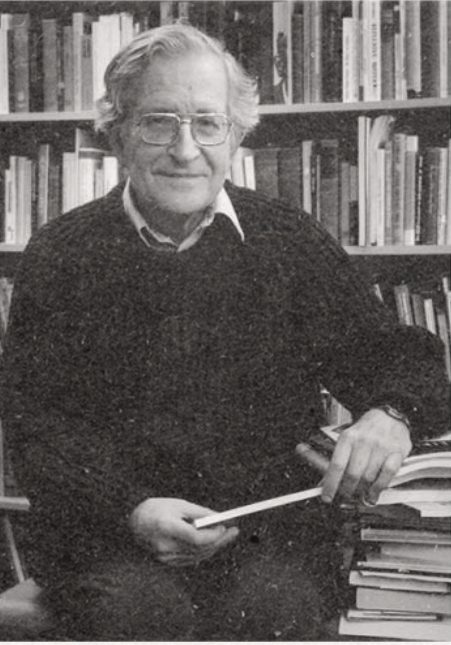 HOW DO REDUCED CLAUSES
WORK?
CHOMSKY
FATHER OF THE LANGUAGE
HOW DO REDUCED CLAUSES
WORK?
CHOMSKY
FATHER OF THE LANGUAGE
Pierangela Yanez · Ronald Peña
SUBJECT + BE
DISAPPEARS
Adverb clauses are where the subject and/or the verb "be" are removed, making the clause shorter while keeping the same meaning.

EHHH?
MAIN VERB TURNS INTO
-ING FORM
HE FEELS
=
FEELING


WHAT?
WHO, WHICH, THAT…
DISAPPEARS
Is an adjective clause that has been shortened by removing the relative pronoun (who, which, that) and sometimes the helping verb (be). The meaning stays the same, but the sentence becomes more concise.


In a world of screens, skimming, and endless scrolling, every word counts. Reduced adjectival clauses—like "the man standing by the door" instead of "the man who is standing by the door"—matter more than ever because they say the same thing in fewer words. News headlines, academic papers, social media captions, and business emails all rely on them for speed and clarity. They also help global audiences by cutting unnecessary grammar words. In short, reduced clauses aren't just a grammar trick—they're a tool for modern communication, where brevity wins.